
Greek Yogurt Cheese Recipe
Introduction
Discover how a simple strain turns plain Greek yogurt into a creamy, tangy cheese you can use as a dip, spread, or garnish. This hands‑on recipe builds flavor with olive oil and salt, then shapes easily for logs or balls.

Ingredients
- 2 cup Plain Greek Yogurt
- 1 teaspoon Olive Oil
- 1/4 teaspoon Salt
Instructions
- Step 1: Place the plain Greek yogurt in the center of a large piece of cheesecloth or on a few layers of paper towels laid over a mesh strainer.
- Step 2: Wrap the yogurt completely in the cloth and set the bundle into the mesh strainer above a bowl.
- Step 3: Put a heavy can or a few cans on top of the cloth to press and squeeze out the whey liquid.
- Step 4: Refrigerate and let the yogurt strain for 1 to 3 days, until the liquid stops dripping and the yogurt becomes thicker.
- Step 5: Unwrap the cloth and scoop the thickened cheese into a bowl. Stir in Olive Oil and Salt, adding more to taste if desired. Shape options are up to you—logs or balls.
Tips & Variations
- For a milder flavor, reduce the salt and strain a bit less; for a sharper tang, strain longer.
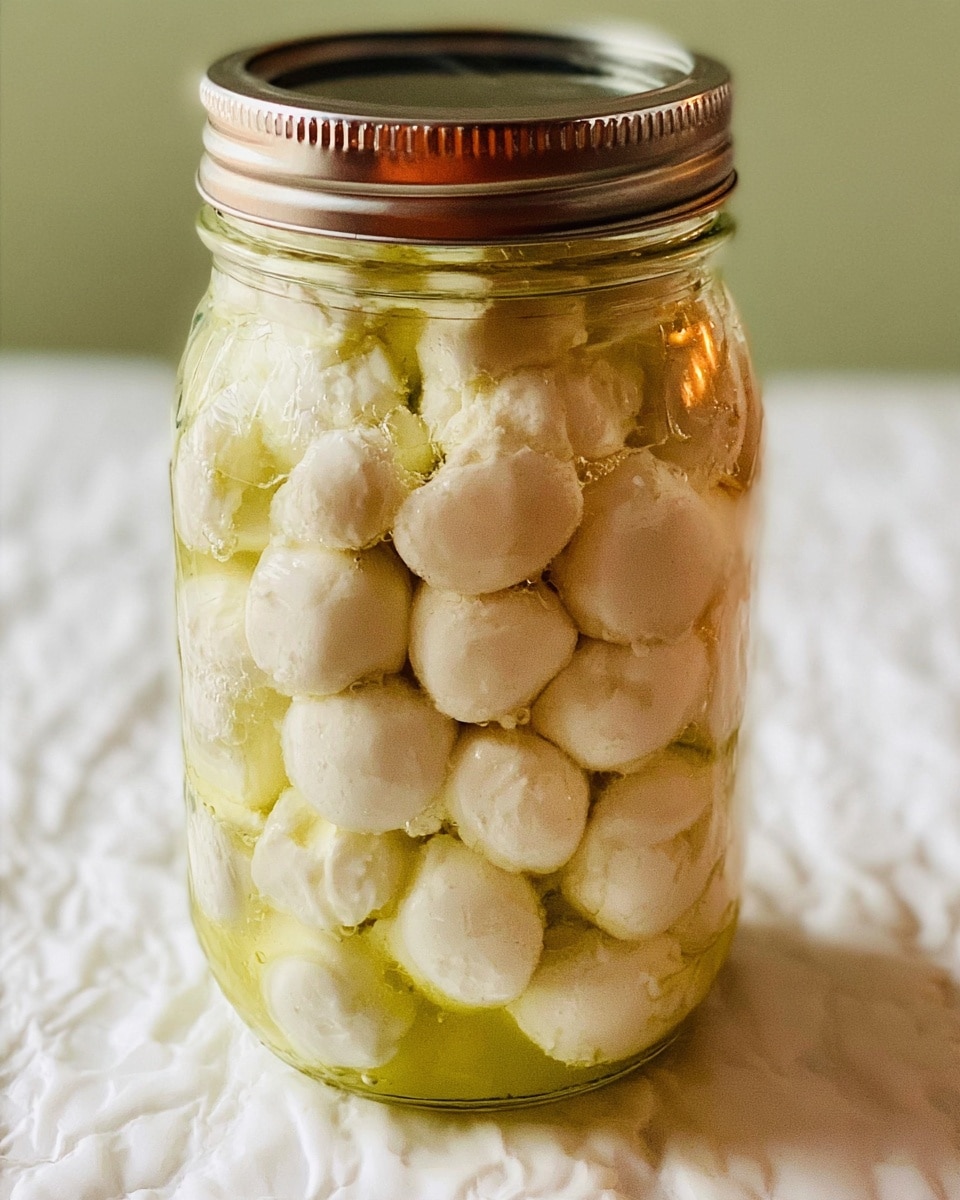
- To store as logs, wrap the shaped cheese in parchment and refrigerate. For balls, submerge in a jar of olive oil or canola oil in the fridge for extended freshness.
- Add fresh herbs, garlic, or citrus zest after straining for a flavored yogurt cheese variant.
Storage
Store the cheese in the fridge. Logs can last up to 1 week when wrapped, and cheese balls stored in oil can keep for several weeks when refrigerated, as long as the oil covers the surface and the jar remains clean.
How to Serve
Serve this delicious recipe with your favorite sides.
FAQs
Can I use this cheese right away?
Yes, but the texture becomes creamier and more spreadable after longer straining. If you need it sooner, strain for 12–24 hours.
What other ways can I use this cheese?
Spread on crackers or toast, dollop onto roasted vegetables, swirl into pasta sauces for extra creaminess, or serve as a base for dips with herbs and spices.
PrintGreek Yogurt Cheese Recipe

A creamy, tangy yogurt cheese made by straining plain Greek yogurt into a smooth, spreadable cheese. Simple, versatile, and naturally gluten-free, it can be shaped into logs or formed into balls and stored in olive oil.
- Prep Time: 10 minutes
- Cook Time: 0 minutes
- Total Time: 1-3 days (strain time)
- Yield: About 1 cup (roughly 4 servings of 1/4 cup each) 1x
- Category: Cheese
- Method: No-Cook
- Cuisine: Mediterranean
- Diet: Vegetarian
Ingredients
Ingredients
- 2 cups Plain Greek Yogurt
- 1 teaspoon Olive Oil
- 1/4 teaspoon Salt
Instructions
- Line and prepare the straining setup: Place a large piece of cheesecloth (or several layers of paper towels) over a mesh strainer and set the strainer over a large bowl. Ensure the yogurt will drain into the bowl without spilling.
- Begin draining the yogurt: Scoop the Greek yogurt into the center of the cloth, wrap it so the yogurt is fully enclosed, and transfer to the strainer above the bowl.
- Apply gentle pressure: Place a heavy can or a stack of small lids on top to press the yogurt and coax whey liquid out. Let it drain in the refrigerator.
- Drain for desired firmness: Allow the yogurt to strain for 1 to 3 days, checking occasionally. The longer it strains, the thicker the yogurt cheese becomes. Stop when whey no longer drips out.
- Finish and flavor: Unwrap the cloth and scoop the cheese into a bowl. Stir in 1 teaspoon Olive Oil and 1/4 teaspoon Salt, adjusting to taste with more oil or salt if desired.
- Shape and store: For logs, shape the cheese into a log, wrap in parchment paper, and refrigerate. For balls, roll into small spheres and store in a jar of olive oil (or canola oil) in the fridge.
Notes
- Flavor can be adjusted by adding herbs or garlic to the cheese after straining.
- Using full-fat yogurt will yield a richer cheese; low-fat yogurt results in a lighter texture.
- If you don’t have cheesecloth, a clean cotton tea towel or several layers of paper towels can work in a pinch.
- Be sure to refrigerate during the draining period to keep the cheese fresh and safe to eat.
Keywords: Greek yogurt cheese, strained yogurt cheese, yogurt cheese logs, yogurt cheese balls, olive oil, salt