
Farmer’s Cheese (Tvorog) Recipe
Introduction
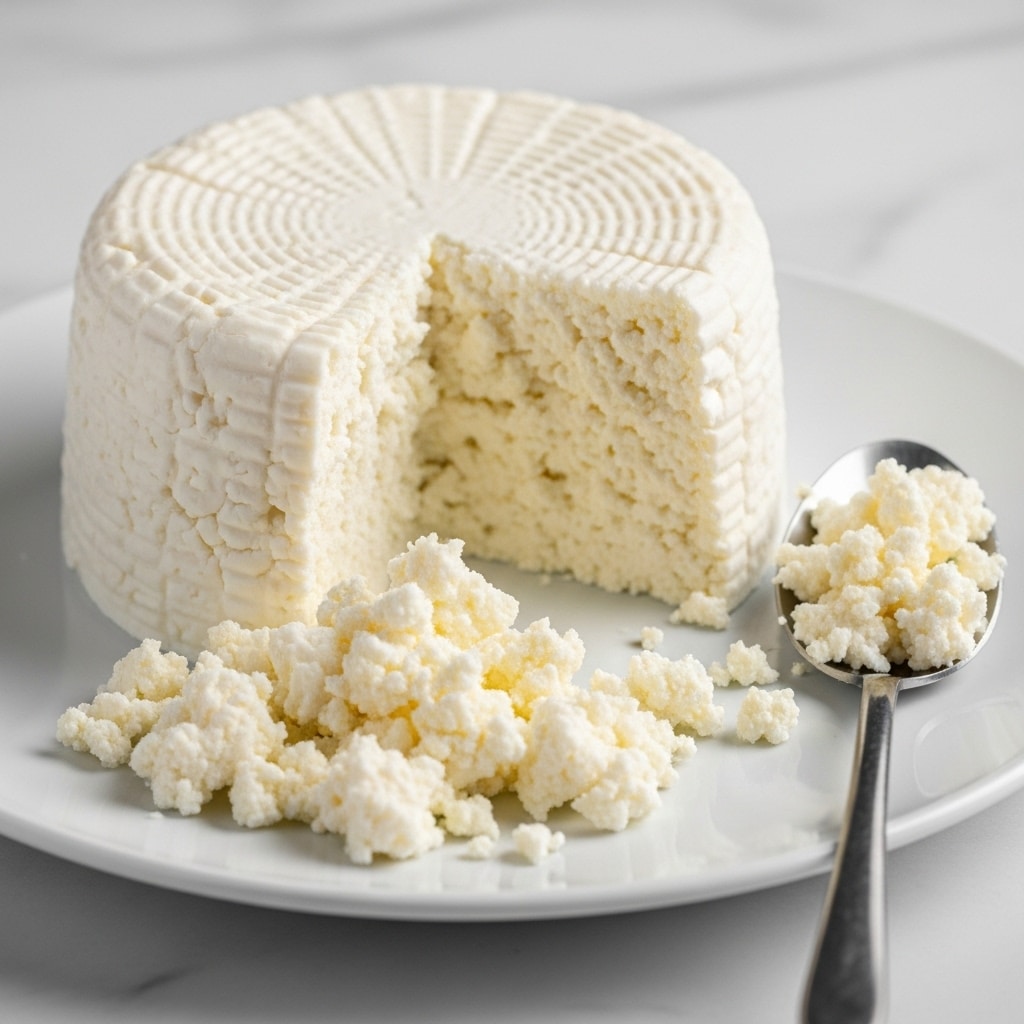
Farmer’s cheese, also known as tvorog, is a fresh, mild cheese that’s incredibly simple to make at home. With just milk, vinegar, and lemon juice, you can create a creamy, tangy cheese perfect for spreading, cooking, or enjoying on its own.
Ingredients
- 1 gallon whole milk
- 6 tbsp white vinegar
- 2 tbsp freshly squeezed lemon juice (or extra vinegar)
- 1/2 tsp sea salt (optional, to taste)
Instructions
- Step 1: Combine the milk with a pinch of salt in a pot or Dutch oven. Heat over medium heat until just before simmering, about 30-40 minutes. Watch for lots of small bubbles forming and popping on the surface, but do not let the milk boil.
- Step 2: Remove the pot from heat and stir in the vinegar and lemon juice. Allow the milk to curdle for 10-15 minutes without stirring.
- Step 3: Line a colander with cheesecloth and place it over a large bowl or pot. Pour the curdled milk through the cheesecloth to strain the curds from the whey.
- Step 4: Gather the edges of the cheesecloth around the curds and wring it gently to remove as much liquid as possible.
- Step 5: Unwrap the cheesecloth and season the curds with sea salt to taste, mixing gently.
- Step 6: For a firmer cheese, wrap the curds tightly in the cheesecloth and shape into a disc. Place on a plate and press with a weight. Refrigerate for 1-2 hours to firm up before serving.
Tips & Variations
- Use fresh whole milk for the best texture and creaminess.
- If you prefer tangier cheese, increase the amount of lemon juice or vinegar slightly.
- Try adding fresh herbs or spices after straining for flavored farmer’s cheese.
- Press longer for a denser, sliceable cheese perfect for sandwiches.
Storage
Store farmer’s cheese wrapped in the cheesecloth or in an airtight container in the refrigerator. It will keep well for up to 5 days. Reheat gently or enjoy cold; it’s delicious on bread, in salads, or as a snack.
How to Serve
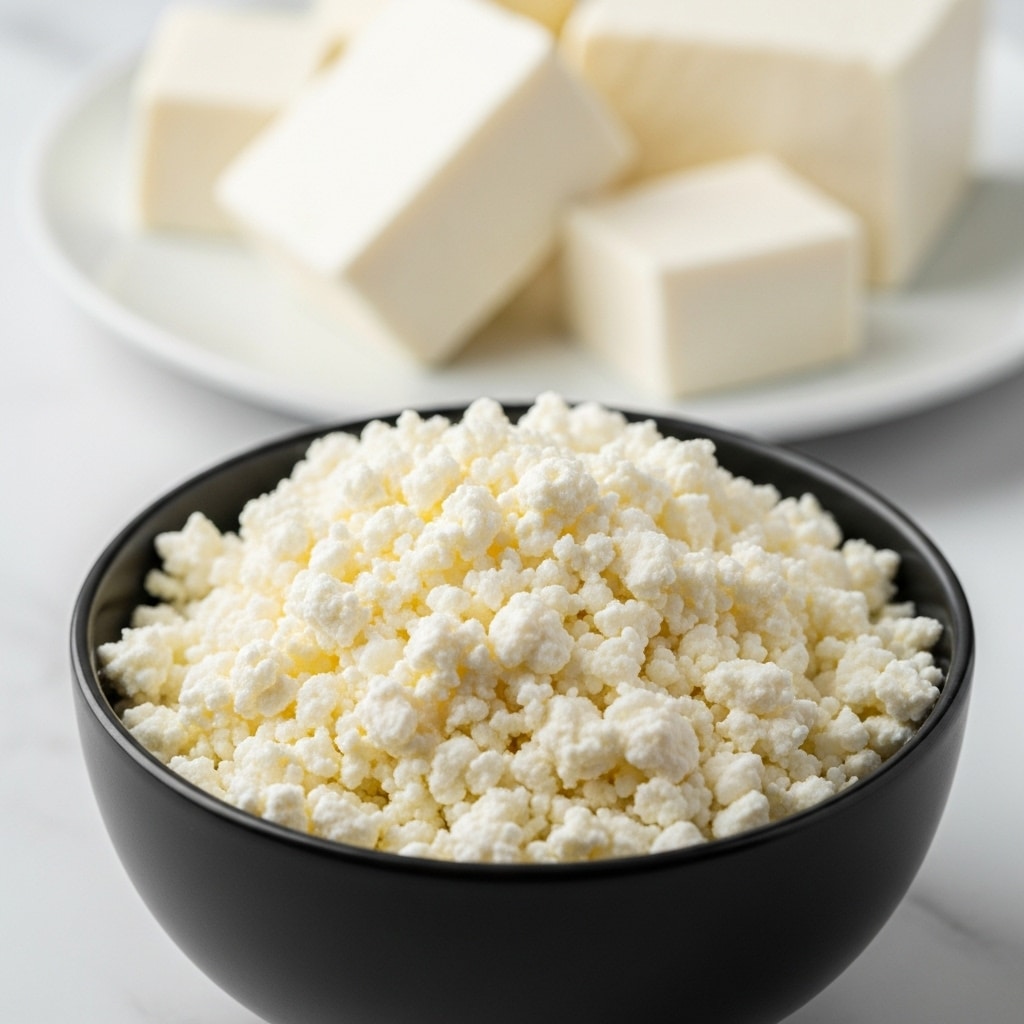
Serve this delicious recipe with your favorite sides.
FAQs
Can I use low-fat or skim milk to make farmer’s cheese?
Whole milk gives the creamiest texture, but you can use low-fat or skim milk. The cheese will be less rich and creamier, but still tasty.
What can I do with the leftover whey?
Whey is nutritious and can be used in smoothies, baking bread, or as a substitute for water or milk in recipes to add protein and flavor.
PrintFarmer’s Cheese (Tvorog) Recipe
This Farmer’s Cheese (Tvorog) recipe is a simple homemade fresh cheese made by curdling whole milk with vinegar and lemon juice. It offers a creamy, tangy, and crumbly texture that can be enjoyed as is or pressed into a firmer cheese. Perfect for spreads, salads, or as a protein-rich ingredient in a variety of dishes, this traditional cheese is easy to prepare using a stovetop method and basic kitchen tools.
- Prep Time: 5 minutes
- Cook Time: 40 minutes
- Total Time: 1 hour
- Yield: Approximately 1 to 1.25 pounds of farmer’s cheese 1x
- Category: Cheese Making
- Method: Stovetop
- Cuisine: Eastern European
- Diet: Vegetarian
Ingredients
Ingredients
- 1 gallon Whole milk
- 6 tbsp White vinegar
- 2 tbsp Freshly squeezed lemon juice (or more vinegar)
- 1/2 tsp Sea salt (optional, to taste)
Instructions
- Heat the Milk: Combine the milk with a pinch of salt in a pot or Dutch oven. Place it over medium heat on the stovetop and slowly heat the milk until it reaches just before simmering, which takes about 30-40 minutes. Small bubbles will form on the surface and start to pop; do not let it boil or scorch.
- Curdle the Milk: Turn off the heat and stir in the white vinegar and freshly squeezed lemon juice. The acid will cause the milk to curdle over several minutes. Allow the mixture to rest undisturbed in the pot for 10-15 minutes to fully separate curds from whey.
- Strain the Curds: Line a colander with cheesecloth and place it over a large bowl or another pot. Carefully pour the curdled milk mixture through the cheesecloth to capture the curds and drain off the whey.
- Drain Excess Liquid: Wrap the cheesecloth tightly around the curds and wring or squeeze to press out as much liquid as possible, helping the cheese firm up.
- Season the Cheese: Unwrap the cheesecloth and sprinkle the curds with sea salt to taste, mixing gently to distribute the seasoning evenly.
- Press the Cheese (Optional): For a firmer consistency, wrap the curds tightly again in the cheesecloth and shape into a disc. Place the disc on a plate and set a heavy weight on top to press. Refrigerate for 1-2 hours to allow the cheese to firm up before serving.
Notes
- Make sure not to overheat or boil the milk, as this can scorch the milk and affect the flavor of the cheese.
- If you don’t have lemon juice, you can use extra white vinegar as the acid to curdle the milk.
- Use a fine cheesecloth for better straining results and squeezing out whey.
- Pressing the cheese is optional; unpressed cheese will be softer and crumbly, great for spreading or crumbling into dishes.
- Store the cheese wrapped in parchment or wax paper in the refrigerator and consume within 3-5 days for best freshness.
Keywords: Farmer’s cheese, Tvorog, homemade cheese, fresh cheese, curdled milk, stovetop cheese, easy cheese recipe, traditional cheese