How to Cook Dried Beans on the Stove Recipe
Introduction
Cooking dried beans on the stove is a simple and rewarding way to enjoy fresh, flavorful beans without relying on canned options. With just a little planning and patience, you can prepare tender beans perfect for soups, salads, or as a side dish.
Ingredients
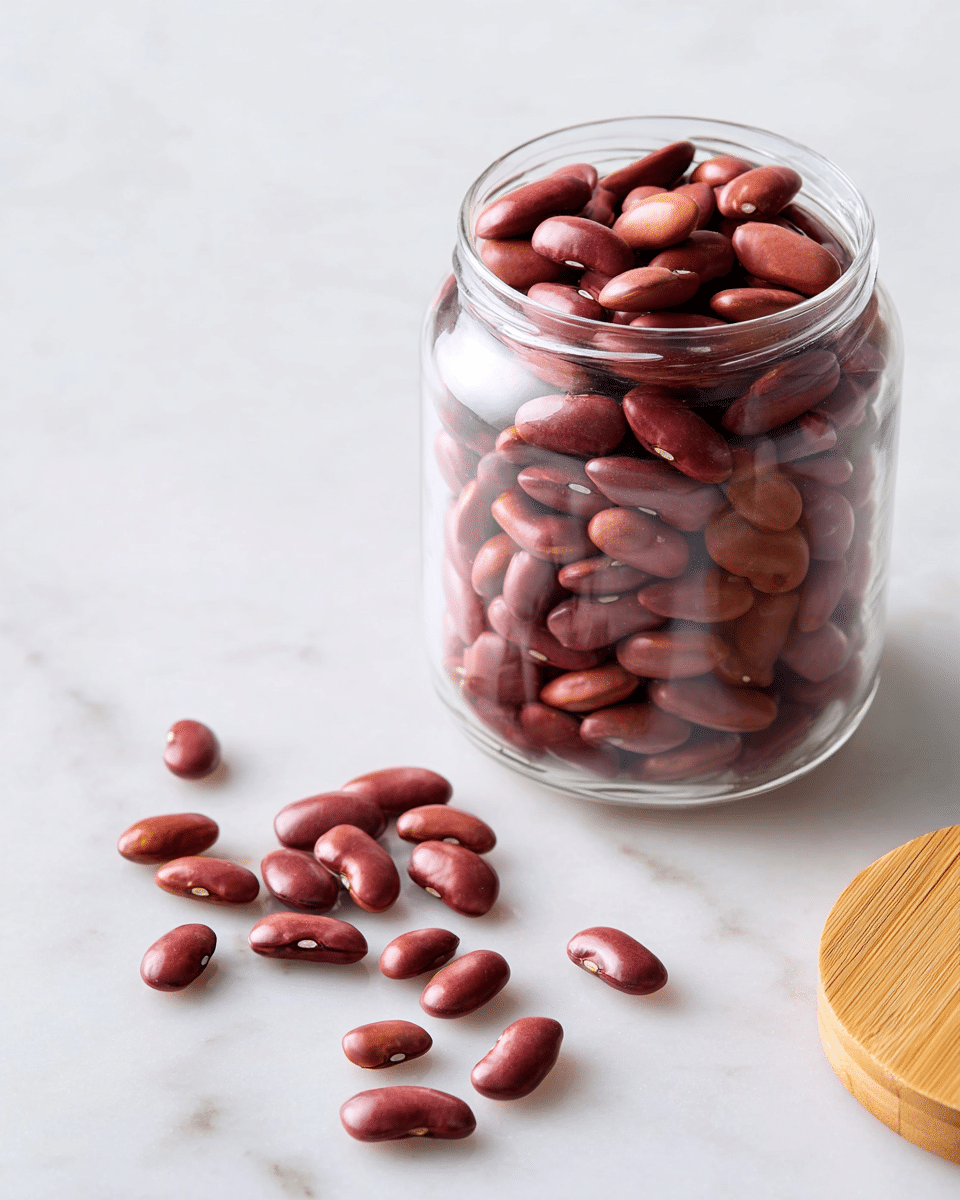
- 1 pound dried beans (white, black, kidney, pinto, etc.)
- Fine sea salt, to taste
- Optional aromatics: fresh garlic, halved onion, carrots, celery, bay leaves, spices, lemon rind, or fresh herbs
Instructions
- Step 1: Soak the beans using one of two methods. Method 1: If you have 8 or more hours, place the beans in a pot and add enough water to cover by about 2 inches. Set aside for at least 8 hours. Method 2: If you only have 1 hour, place the beans in a pot, cover with water by about 2 inches, bring to a boil, then turn off the heat and let stand for one hour with the lid on.
- Step 2: Drain and rinse the soaked beans, then return them to the pot. Add fresh water to cover by about 2 inches and ¼ teaspoon of salt. Add any optional aromatics if desired. Cover and bring to a boil.
- Step 3: Reduce the heat to very low to maintain a gentle simmer with the lid slightly ajar. Simmer the beans until they are almost cooked through but still have a slight bite and the skins offer some resistance. Begin checking for doneness after about 30 minutes. The simmer should be very gentle, with only a few small bubbles breaking the surface.
- Step 4: Turn off the heat and stir in 1 to 2 teaspoons of salt, depending on your taste and intended use. Let the beans finish cooking in the residual heat by setting them aside for 30 to 60 minutes with the lid in place.
- Step 5: When the beans have reached a creamy texture, drain them. Reserve the cooking liquid if desired—it can be used in soups or for making refried beans as a flavorful alternative to vegetable broth. Use the beans as needed.
Tips & Variations
- Adding aromatics like garlic, onion, or bay leaves during cooking enhances the beans’ flavor.
- Soaking beans overnight reduces cooking time and improves digestibility.
- If you prefer firmer beans for salads, reduce the simmering time and check frequently.
- Use the reserved cooking liquid as a nutritious base for soups or sauces.
Storage
Store cooked beans in an airtight container in the refrigerator for up to 5–6 days. To reheat, warm gently on the stove or in the microwave with a splash of water or reserved cooking liquid to prevent drying out.
How to Serve
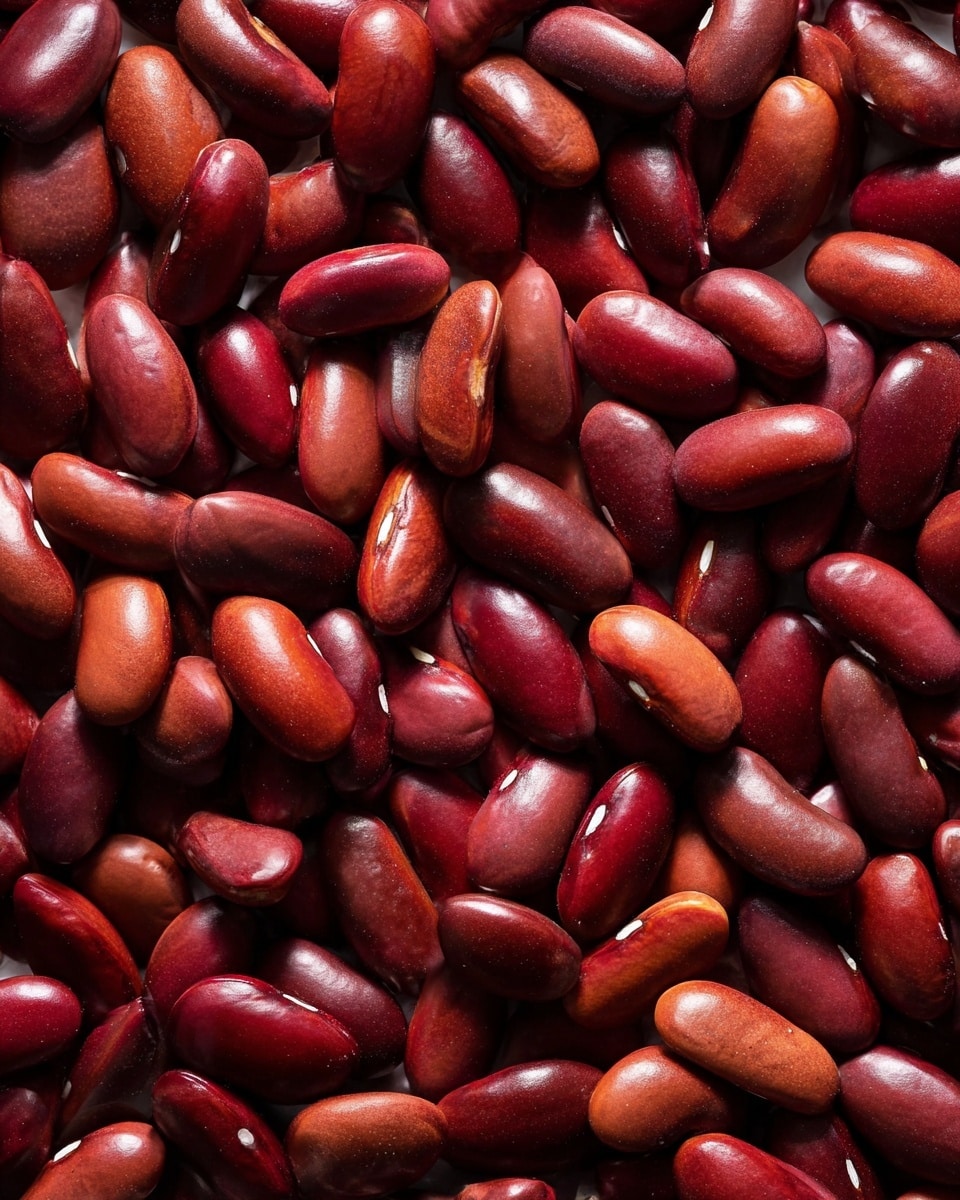
Serve this delicious recipe with your favorite sides.
FAQs
Do I need to soak dried beans before cooking?
Soaking beans is not strictly necessary but highly recommended. It helps reduce cooking time, improves texture, and makes the beans easier to digest.
How can I tell when beans are done?
Beans are done when they are tender and creamy inside but still hold their shape. They should not be mushy unless your recipe calls for it. Test by tasting a few beans during cooking starting at about 30 minutes.
PrintHow to Cook Dried Beans on the Stove Recipe

Learn the classic stovetop method to cook dried beans perfectly every time. This detailed guide covers soaking techniques, gentle simmering, and seasoning tips to achieve creamy, tender beans with minimal effort. Ideal for any variety of dried beans, these instructions ensure flavorful, versatile cooked beans for soups, salads, and more.
- Prep Time: 10 minutes (plus soaking time)
- Cook Time: 45 minutes to 1 hour (active simmering time)
- Total Time: 60 minutes to 9 hours 10 minutes (includes soaking)
- Yield: Approximately 6 cups cooked beans 1x
- Category: Legumes
- Method: Stovetop
- Cuisine: American
- Diet: Vegan
Ingredients
Beans
- 1 pound dried beans (white, black, kidney, pinto, etc.)
- Fine sea salt, to taste
Optional Aromatics
- Fresh garlic
- Halved onion
- Carrots
- Celery
- Bay leaves
- Spices
- Lemon rind
- Fresh herbs
Instructions
- Soak the beans: If you have 8 or more hours, place the dried beans in a pot and cover them with water by about 2 inches. Let them soak at room temperature for at least 8 hours to begin rehydrating and soften the beans. Alternatively, if you only have 1 hour, place the beans in a pot covered by 2 inches of water, bring to a boil with the lid on, then turn off the heat and let them sit covered for 1 hour.
- Start cooking the beans: Drain and rinse the soaked beans thoroughly. Return them to the pot and add fresh water to cover by about 2 inches along with 1/4 teaspoon of salt. You can add any optional aromatics like garlic, onion, or herbs at this point to infuse more flavor. Cover the pot and bring it to a boil over medium-high heat.
- Simmer very gently: Once boiling, reduce the heat to very low so the beans simmer gently with the lid slightly ajar. Maintain a gentle simmer so only a few tiny bubbles break the water’s surface. Begin checking the beans for doneness after about 30 minutes. You want them tender but still slightly firm to the bite, with skins intact but softened.
- Salt and set aside: When the beans are nearly cooked through, turn off the heat and stir in 1 to 2 teaspoons of salt depending on how you plan to use the beans. Cover and let them sit in the residual heat for 30 to 60 minutes more; this finishing step allows the beans to fully absorb salt and finish cooking perfectly without boiling.
- Drain and use: Once the beans reach a creamy, tender texture, drain them well. Reserve the cooking liquid if desired for soups or refried beans as a flavorful base. Use cooked beans immediately or refrigerate for 5 to 6 days for future use in your favorite recipes.
Notes
- Use salt sparingly at first during cooking to prevent beans from becoming tough; add more salt after cooking to taste.
- Different bean varieties may have slightly different cooking times; always check for desired tenderness.
- Soaking beans overnight reduces cooking time and helps improve digestibility.
- Keep the simmer gentle to prevent beans from breaking apart.
- Save the bean cooking liquid as a nutritious broth substitute in soups or sauces.
- Cooked beans store well in the fridge for up to 6 days and can be frozen for longer storage.
Keywords: dried beans, how to cook beans, stovetop beans, cooking dried legumes, soaking beans, meal prep beans, bean recipes