
Delicious Buckwheat Bread (With Just 1 Ingredient!) Recipe
Introduction
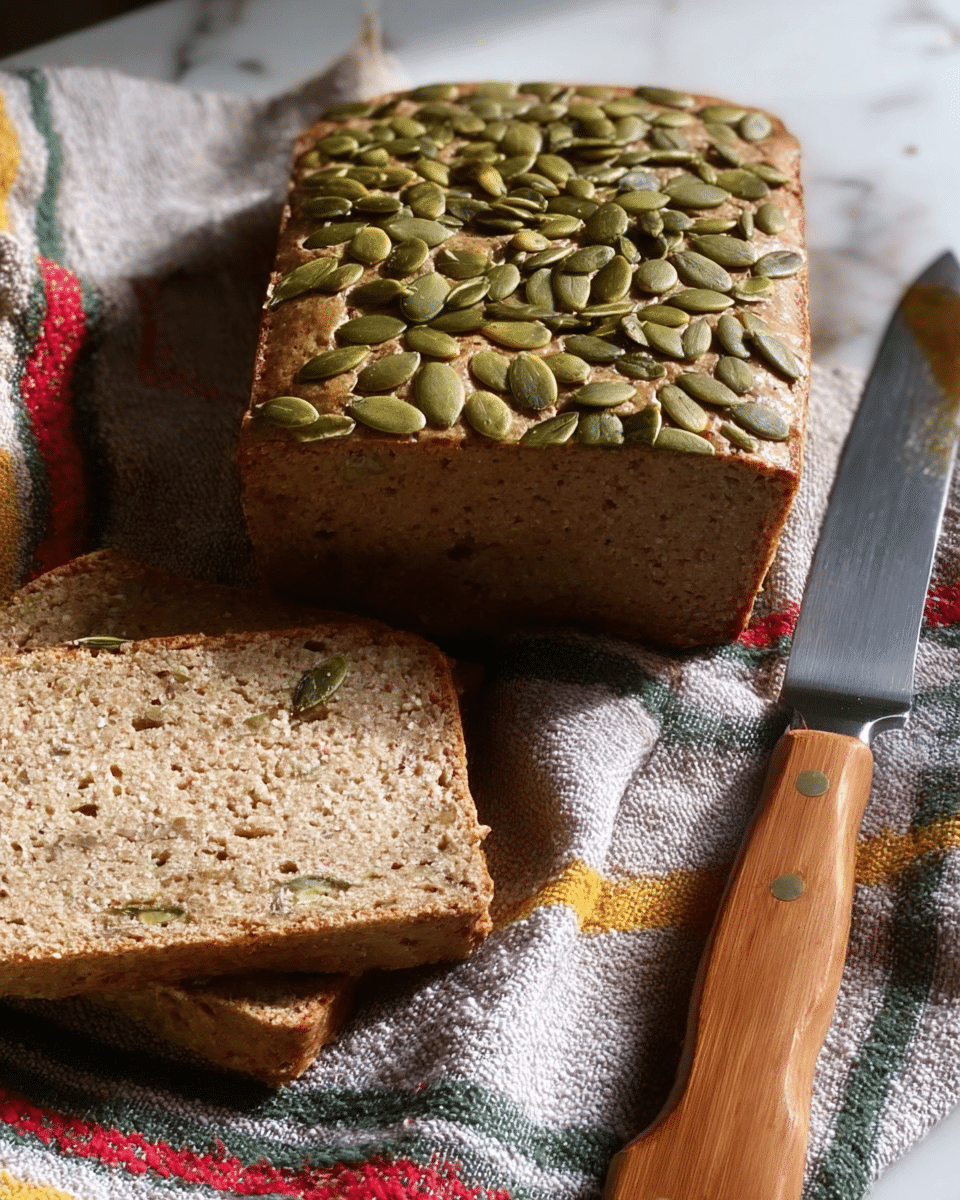
Buckwheat bread is a simple, wholesome option that’s naturally gluten-free and packed with nutty flavor. This recipe uses just one main ingredient—buckwheat groats—to create a delicious, crusty loaf perfect for sandwiches or toast. It’s easy to make and requires minimal prep time.
Ingredients
- 3 cups raw hulled buckwheat groats
- ½ teaspoon sea salt (optional)
Instructions
- Step 1: Rinse the buckwheat groats under cold water, removing any black husks or debris. Place the groats in a large glass or ceramic bowl and cover with at least 1 inch of water. Soak for 5 to 7 hours.
- Step 2: Drain the groats for about 30 seconds; do not rinse. Transfer them to a high-speed blender with 1½ cups fresh water and salt if using. Blend until smooth, resembling pancake batter.
- Step 3: Rinse the soaking bowl and return the blended groats to it. Cover with a clean dish towel and let sit at room temperature for about 24 hours, or until the batter increases in size by a third. Warmer rooms may speed up the process.
- Step 4: Line an 8×4-inch loaf pan with parchment paper, leaving 1–2 inches of overhang. Pour the batter into the pan and optionally top with nuts or seeds. Place in a cold oven, set to 350°F, and bake for 80 to 90 minutes until the crust is golden and firm.
- Step 5: Remove the loaf from the oven and let it sit in the pan for 10 minutes. Use the parchment overhang to lift the bread onto a wire rack or clean surface, and cool for another 30 minutes before slicing.
Tips & Variations
- Use a high-speed blender for a smoother batter; if using a food processor or immersion blender, blend longer to achieve the right texture.
- For extra flavor, sprinkle your favorite nuts, seeds, or herbs on top before baking.
- Adjust soaking time depending on your climate—warmer temperatures speed up fermentation.
Storage
Wrap the cooled loaf in parchment paper or a clean dish towel and store in an airtight container. Keep it refrigerated for up to 5 days or freeze for up to 2 months. Reheat slices gently in a toaster or oven for a fresh taste.
How to Serve
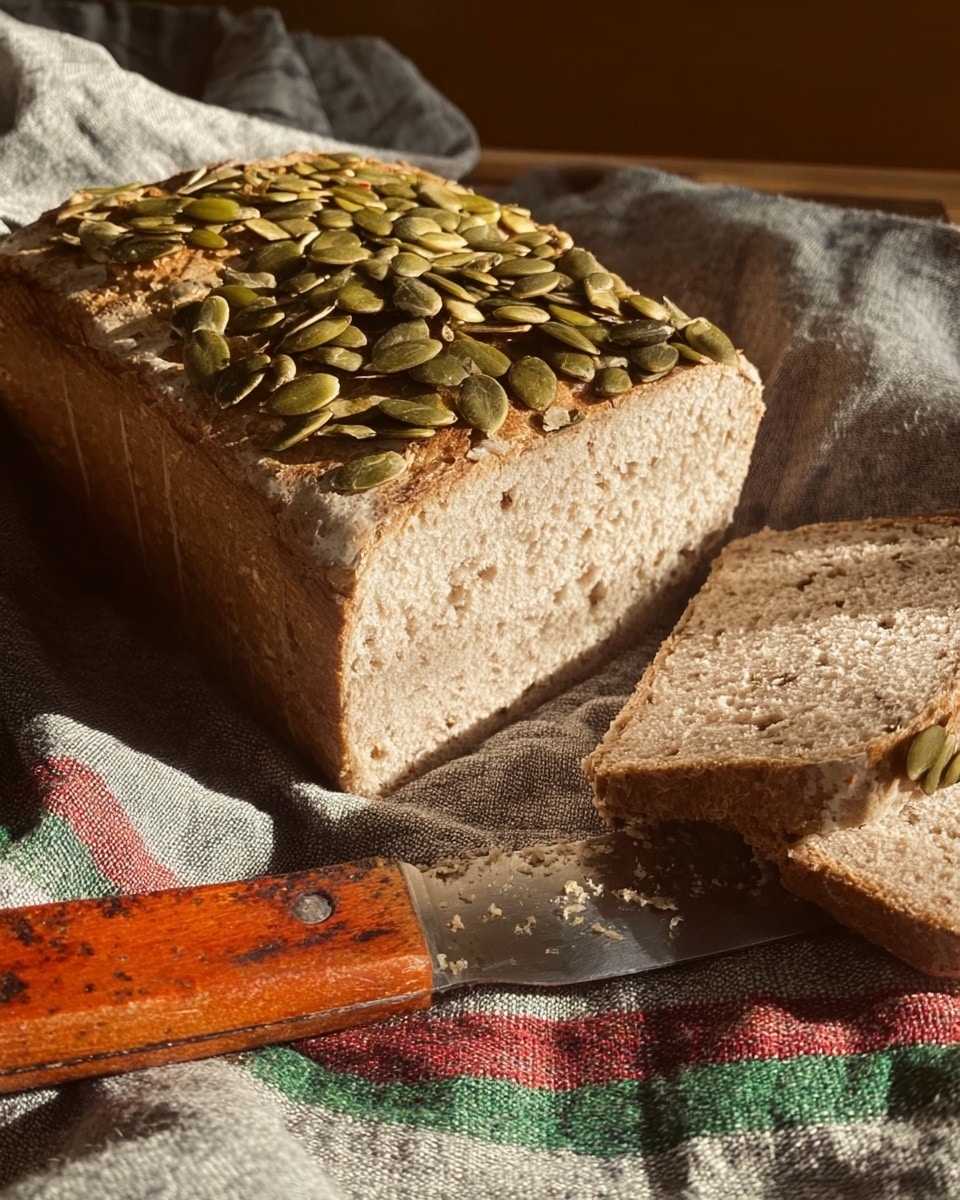
Serve this delicious recipe with your favorite sides.
FAQs
Is buckwheat bread gluten-free?
Yes, buckwheat is naturally gluten-free, making this bread suitable for those with gluten sensitivities or celiac disease.
Can I use toasted buckwheat groats instead?
Not recommended, as toasted groats won’t absorb water properly or ferment well, which affects the bread’s texture and rise.
PrintDelicious Buckwheat Bread (With Just 1 Ingredient!) Recipe
This simple, wholesome buckwheat bread recipe uses just one main ingredient—raw hulled buckwheat groats—with optional sea salt to enhance flavor. Perfect for those seeking a gluten-free and naturally fermented bread alternative, the recipe harnesses natural soaking and fermentation before baking for a crusty, delicious loaf with a slightly tangy taste and dense texture.
- Prep Time: 6 hours 15 minutes
- Cook Time: 1 hour 30 minutes
- Total Time: 7 hours 45 minutes (including fermentation)
- Yield: 1 loaf (8×4-inch pan) 1x
- Category: Bread
- Method: Baking
- Cuisine: Gluten-Free
- Diet: Gluten Free
Ingredients
Main Ingredients
- 3 cups raw hulled buckwheat groats
- ½ teaspoon sea salt (optional)
- 1½ cups fresh water (for blending)
Instructions
- Rinse and Soak Groats: Rinse the buckwheat groats thoroughly under cold water, removing any remaining black husks or debris. Place them in a large glass or ceramic bowl and cover with at least one inch of water. Soak the groats for 5 to 7 hours until swollen and gelatinous.
- Drain and Blend: Drain the soaked groats for about 30 seconds without rinsing. Transfer them to a high-speed blender and add 1½ cups of fresh water along with the sea salt if using. Blend until the mixture reaches a smooth, pancake batter-like consistency.
- Ferment the Batter: Rinse and clean the soaking bowl, then pour the blended groat batter back into it. Cover with a clean dish towel and leave the batter in a warm spot for approximately 24 hours, or until it has increased in size by about a third. In warmer climates, this may take as little as 6 to 8 hours; in cooler places, placing the bowl in an oven with the light on can help fermentation.
- Prepare and Bake the Loaf: Line an 8×4-inch loaf pan with parchment paper, ensuring 1–2 inches of overhang on the long sides. Pour the fermented batter into the pan and optionally top with nuts or seeds for added texture. Place the pan in the oven, set to 350°F (175°C), and bake for 80 to 90 minutes until the bread develops a crusty top.
- Cool and Store: Remove the loaf from the oven and let it rest in the pan for 10 minutes. Using the parchment paper overhang, lift it out and transfer to a wire rack or clean surface to cool for 30 minutes before slicing. Wrap cooled bread in parchment paper or a clean dish towel and store in an airtight container in the refrigerator for up to 5 days or freeze for up to 2 months.
Notes
- Ensure groats are raw and hulled for best results.
- Do not rinse the groats after soaking to preserve the natural starch which aids fermentation.
- Use a high-speed blender to achieve a smooth batter; food processors or immersion blenders may also work but may require additional blending time.
- Fermentation times vary depending on ambient temperature; warmer conditions accelerate fermentation.
- Adding nuts or seeds on top before baking is optional but adds extra flavor and texture.
- Store the bread wrapped and airtight to maintain freshness.
Keywords: buckwheat bread, gluten-free bread, fermented bread, easy homemade bread, single ingredient bread, buckwheat loaf